


How AI Virtual Assistants Are Reshaping Modern Business Operations?
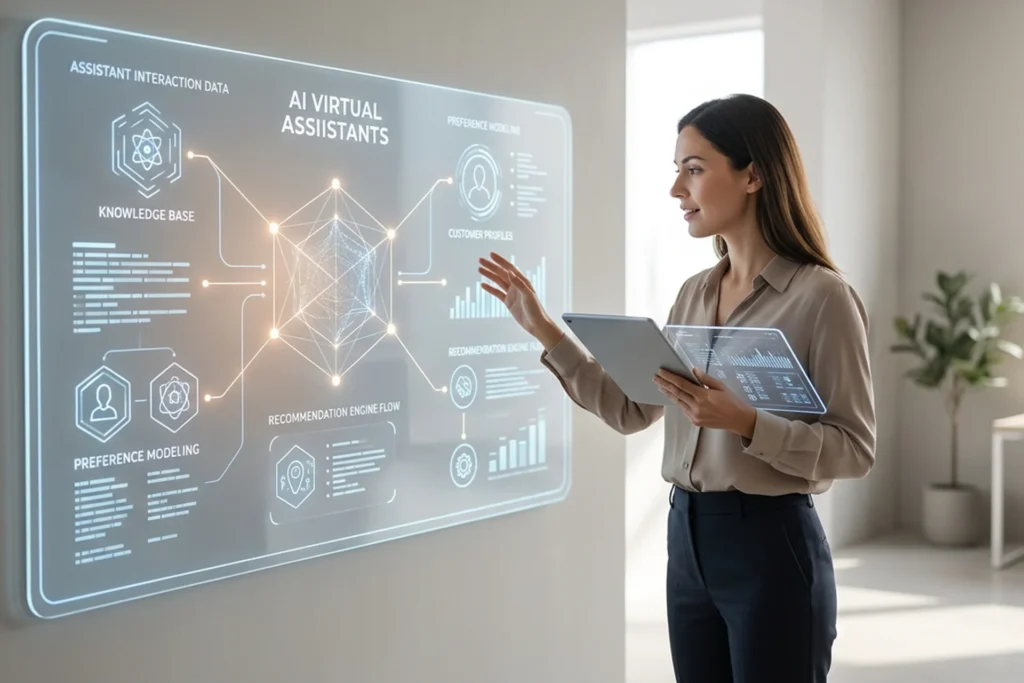
Today’s businesses must be quick to respond, cover more ground in terms of work, and provide uniform customer experiences across all communication channels. With the increasing digitalization of businesses, many are finding intelligent tools to streamline their everyday tasks without interfering with current procedures.
The AI virtual assistant is becoming a popular technology. These intelligent systems aid in daily business operations, automate repetitive tasks, enhance communication, and streamline work processes. AI assistants do not eliminate human workers; they are meant to augment their capabilities, particularly in performing repetitive and task-intensive tasks.AI assistants should not be viewed as a competition for jobs; they are intended to complement human skills, particularly when dealing with repetitive and task-intensive activities.
Why AI Virtual Assistants Are Becoming More Common?
Many organizations have to perform repetitive tasks like responding to customer inquiries, scheduling appointments, qualifying leads, managing follow-ups, etc.
An AI virtual assistant can help these tasks, freeing up the time of employees to engage in critical thinking, collaboration, and decision making.
Typical uses of business applications are:
- Customer communication
- Appointment scheduling
- Lead qualification
- Internal task coordination
- Follow-up reminders
- Workflow management
With the ongoing development of AI, companies are discovering how to effectively incorporate the technology into their current workflows.
The solutions proposed by Zechion AI are built to complement existing business processes and facilitate organized communication and efficient operations.
How to use an AI Personal Assistant?
An artificial intelligence (AI) personal assistant assists people with routine administrative tasks during the day. Professionals can utilize intelligent assistants to boost productivity without manual coordination and tracking of schedules or recurring activities.
Typical uses include:
- Calendar management
- Meeting scheduling
- Task reminders
- Email organization
- Daily workflow planning
These are the capabilities that enable practitioners to focus more on the strategic priorities and less of administrative burden.
With the increase of hybrid and remote working, digital assistants have become a valuable resource for enhancing the organization of the workplace.
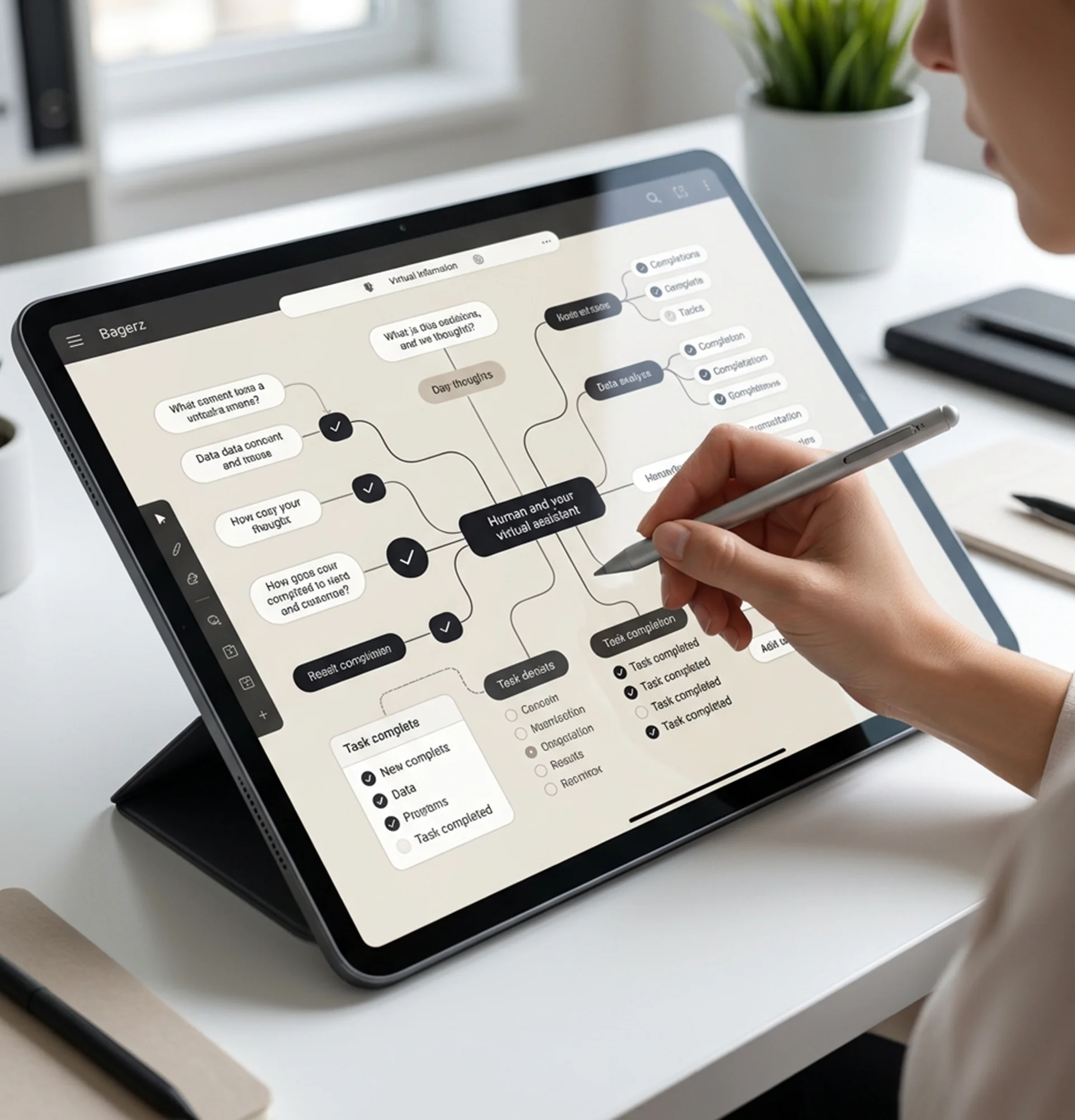
AI can help support Sales Teams
Sales people need to deal with a lot of customers, so it’s more and more important to be consistent and communicate fast.
An AI sales assistant can aid in sales processes by assisting with tasks like:
- Answering initial questions
- Organizing lead information
- Scheduling meetings
- Sending follow-up messages
- Managing communication workflows
These tools aren’t meant to supplant sales representatives. Rather, they help to minimize repetitive tasks so that the teams can concentrate on building customer relationships and closing opportunities.
However, companies that have adopted AI-powered sales processes may integrate automation with human supervision to guarantee quality and consistency.

Which is the Best AI Assistant?
It isn’t always the most feature-rich AI assistant that’s the best. Rather, organizations tend to search for solutions that fit in well with their current systems and meet their business requirements.
Important characteristics include:
- Natural communication
- Workflow flexibility
- Multi-channel support
- A seamless integration with current business tools that can be used for the majority of business operations
- Secure data handling
- Manual review if necessary
An assistant that matches the needs of the business can actually make more sense for the long-term than the “feature list.”
Zechiom AI says that the best use of AI assistants is when they are used in a limited workflow, with human supervision, and not as standalone tools.
AI Assistant Chatbots & Customer Communication
Expectations, or rather, what customers expect from products and services, has been transformed in recent years. Today, customers are expecting instant answers, whatever the time of day.
An AI assistant chatbot aids in organization of routine conversations by giving timely reactions to constant questions and helping users discover resources.
Such chatbots can help with:
- Frequently asked questions
- Appointment requests
- Lead capture
- Customer support
- Information sharing
AI chatbots can enhance response rates and free up customer service agents’ time for more complex interactions when used within a comprehensive communication approach.
Building Smarter Business Workflows
The key to a successful AI implementation is not to automate everything. Rather, the usual initial exercise a business has to make is to pinpoint repetitive processes that are time-consuming and can present opportunities for intelligent automation.
AI virtual assistants, personal productivity tools, sales support systems, and conversational chatbots can all be integrated to make workflows more efficient, while retaining flexibility.
To empower staff, communicate more effectively with customers, and streamline daily workflows using technology that makes it happen.
Conclusion
AI assistants have become a vital component in today’s business landscape. From facilitating customer communication and scheduling to improving sales processes and internal productivity, these technologies can help streamline mundane tasks and free up employees’ time for more valuable roles.
AI-powered communication and workflow solutions for structured business operations, lead management, customer engagement, and operational efficiency with customizable AI assistants, that operate within a pre-defined business process are offered by Zechion AI.